Biga is a firm Italian preferment made in advance from part of the flour, water and fresh yeast. In Chef Marco’s recipe, the first stage consists of 500 g flour, 225 g water and 5 g fresh yeast. After 24 hours, the remaining 500 g flour and 275 g ice-cold water are added, followed by 25 g salt at the end of mixing. The result is Neapolitan-style pizza dough with a light, airy crust.
Quick summary
Key points:
- For the biga, you will need 500 g flour, 225 g water and 5 g fresh yeast.
- The biga should be coarse and shaggy, not kneaded into a smooth dough. In this recipe, it ferments for 24 hours.
- To make the final dough, add the remaining 500 g flour and 275 g ice-cold water, followed by 25 g salt at the end of mixing. The overall hydration is 50%.
- Rapid heat transfer from a thoroughly heated stone is essential for an airy crust and soft centre. The Salente Vulcano reaches up to 450°C.
Contents
- What biga is and what to expect from it
- Ingredients from Chef Marco’s recipe
- How to make biga step by step
- Making the final dough from biga
- Baking at a high temperature
- Common mistakes and choosing a pizza oven
What biga is and what to expect from it
Biga is a firm preferment used in an indirect dough-making method. In this recipe, half of the total flour is mixed with water and yeast one day in advance. Once it has matured, the other half of the flour, more water and salt are added.
Why bother when you can mix the dough in one go? Biga develops a more pronounced aroma and flavour and helps create an elastic structure that retains the gas produced during fermentation. At a high temperature, the crust rises quickly while the centre can remain thin and soft. It is not a shortcut to good pizza. Rather, it is a way of giving simple ingredients time.
Is pizza made with biga “authentic Neapolitan pizza”?
In everyday speech, pizza with a high, airy crust is often described this way. Technically, however, it is more accurate to call it Neapolitan-style or modern Neapolitan-style pizza. The official rules of the True Neapolitan Pizza Association (AVPN) specify a direct dough-making method for certified Vera Pizza Napoletana, whereas biga is a preferment used in an indirect method. This does not make it any less delicious, but it is worth using the terminology accurately.
Recipe from the video: ingredients for approximately 6 to 7 pizzas
Biga
- 500 g flour suitable for pizza
- 225 g water
- 5 g fresh yeast
Final dough
- mature biga
- 500 g flour suitable for pizza
- 275 g ice-cold water
- 25 g salt
Hydration: In total, you are using 500 g water for 1,000 g flour, which gives a hydration level of 50%. Even at this hydration, the strength of the flour and the temperature of the dough matter. Therefore, use flour suitable for pizza and a longer fermentation time.
How to make biga step by step
1. Weigh the ingredients
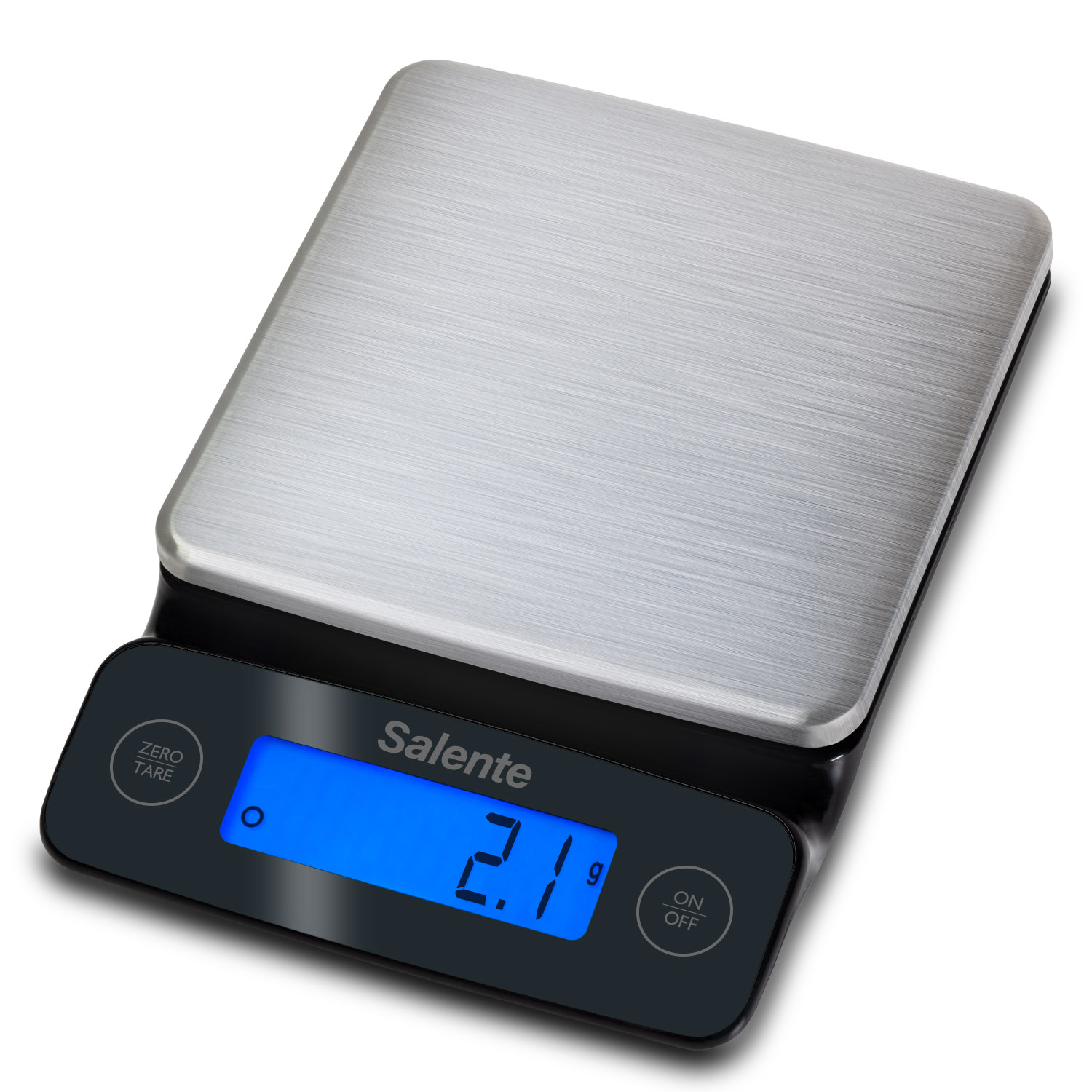
Estimating by eye does not pay off when making biga. Weigh out exactly 500 g flour, 225 g water and 5 g fresh yeast. Kitchen scales are essential here; even a small variation in the amount of water or yeast will make a difference.
2. Make a coarse mixture
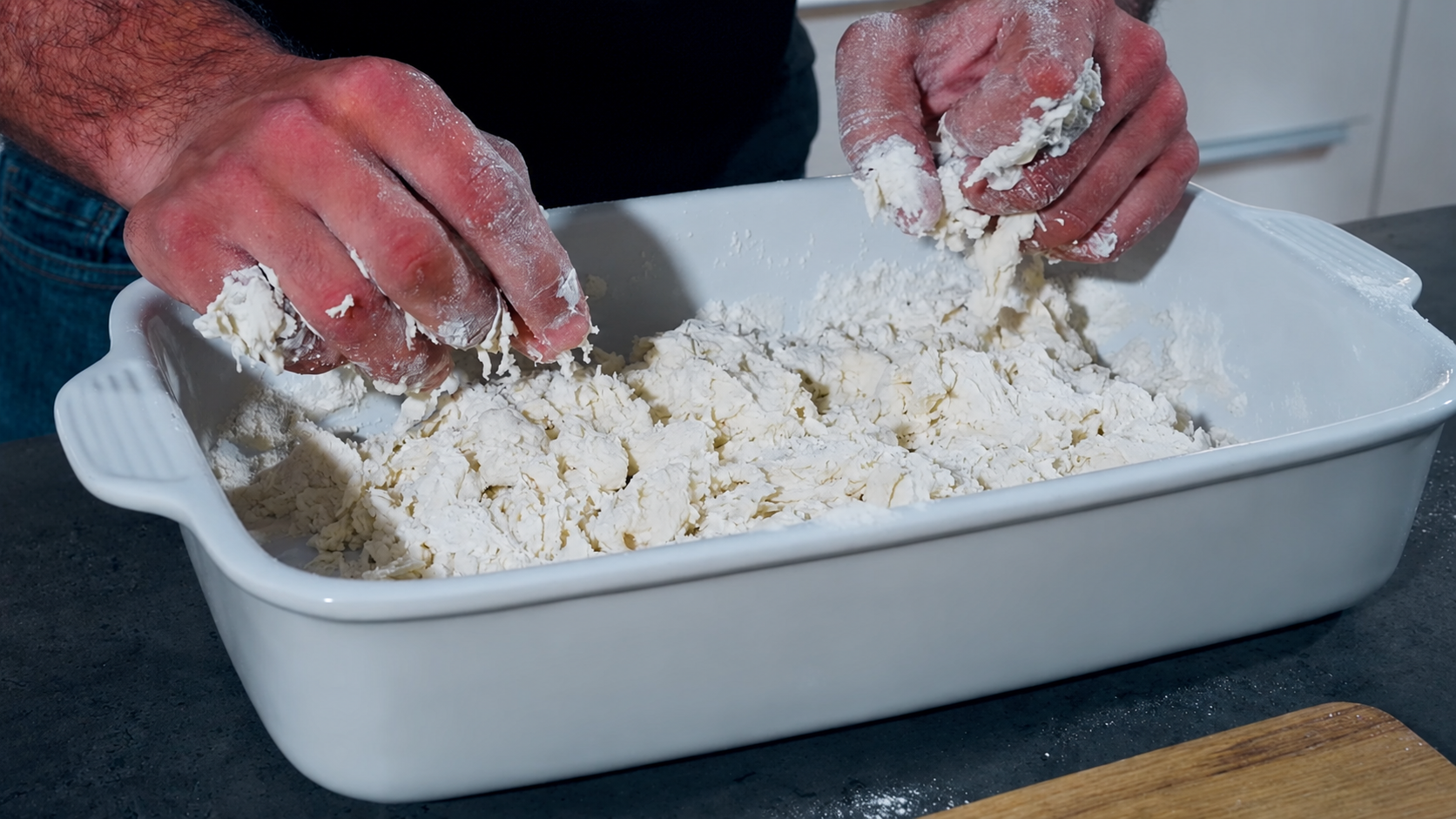
Dissolve the yeast in the water, add the flour and mix briefly to combine. The aim is not to create a smooth dough ball. Proper biga resembles coarse, irregular crumbs with no large dry patches. If you knead it like ordinary dough, you will change the way it hydrates and ferments.
3. Leave it to mature for 24 hours
Place the mixture in a sufficiently large container, cover it and leave it to mature for 24 hours as shown in the video. The biga needs room to expand and must not dry out.
How can you tell when the biga is ready? A mature biga has a pleasant fermented aroma, visible bubbles inside and is not mushy when torn apart. A sharp alcoholic smell, a soggy texture or a noticeably collapsed mixture may mean that it has passed its peak.
How to make the final dough from biga
1. Break up the biga and begin mixing it with water
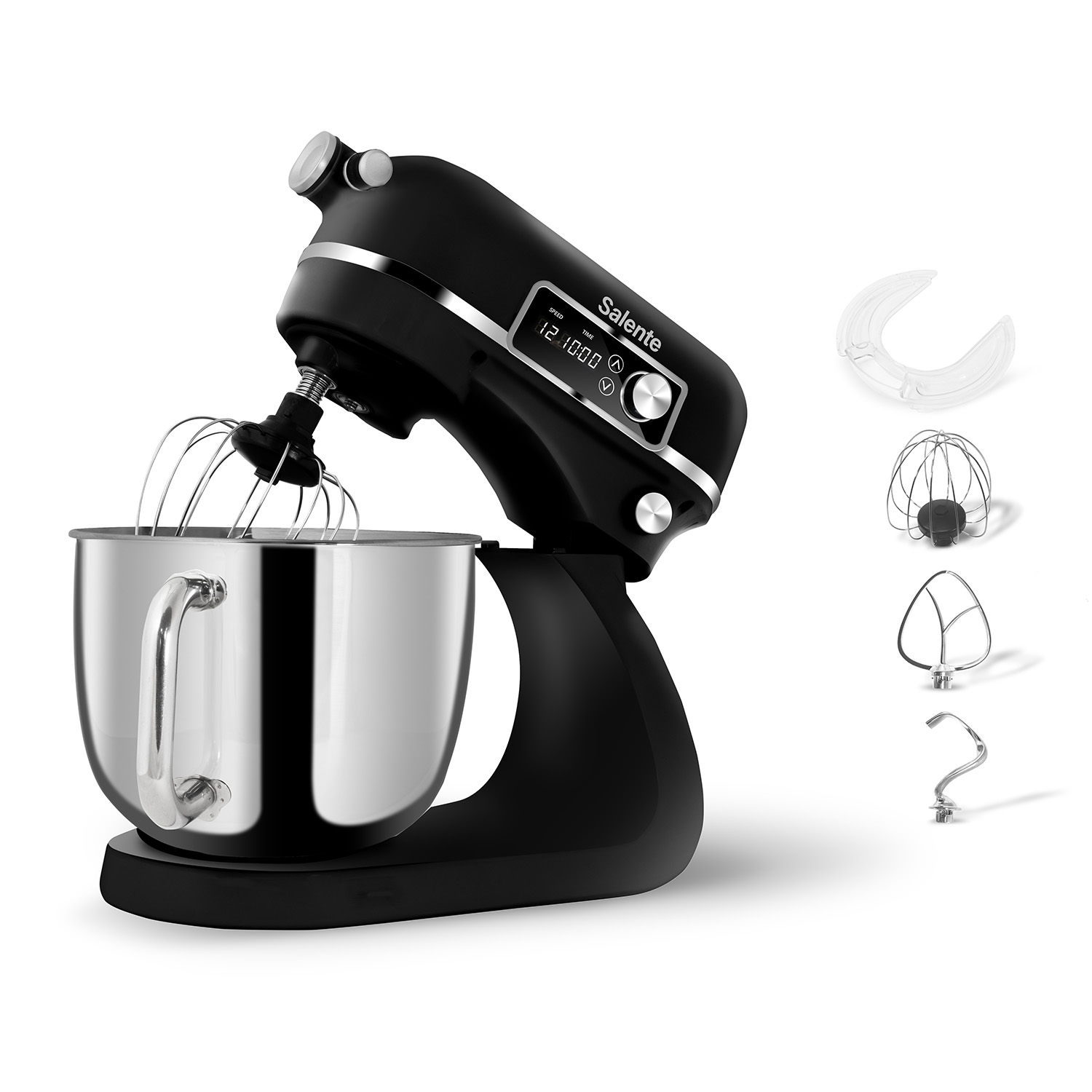
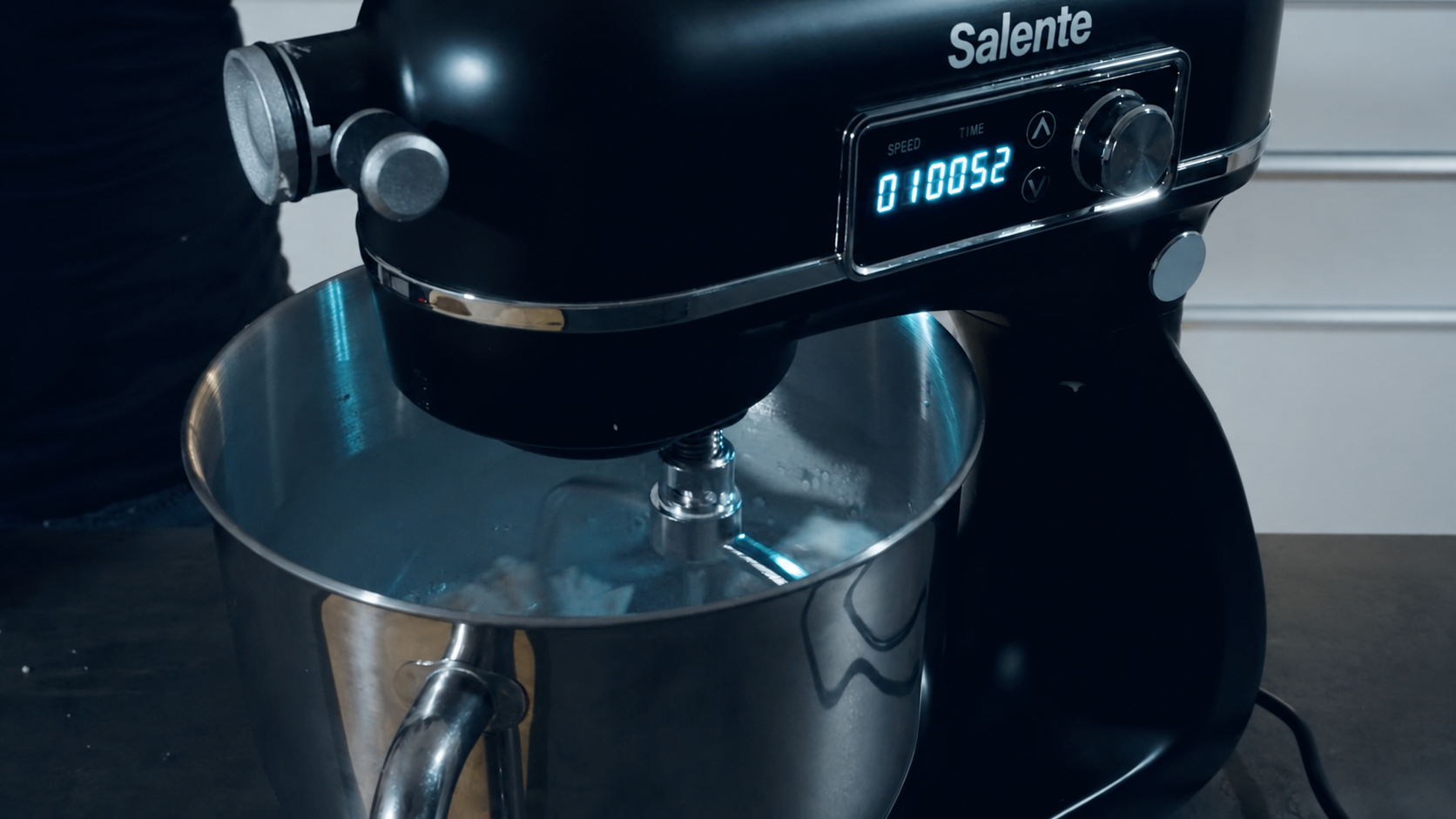
Divide the mature biga into smaller pieces and place them in a mixer. Begin combining it with part of the total 275 g of ice-cold water. If you are using a stand mixer, fit the dough hook.
2. Add the other half of the flour and the remaining water
Add the remaining 500 g flour. Pour in the ice-cold water gradually, only adding the next portion once the previous one has been incorporated into the dough. You will use a total of 275 g water at this stage. The low water temperature helps prevent the dough from becoming too warm during kneading.
3. Add the salt
The final dough requires 25 g salt. Add it at the end of mixing and allow it to become evenly incorporated. The finished dough should be cohesive, elastic and smoother than the original biga, but it should not be hot.
4. Leave the final dough to mature again
After kneading, place the final dough in the fridge for another 24 hours. Then divide it into dough balls according to your preferred pizza size and allow them to finish proofing before baking. A proofed dough ball should be relaxed and airy and should slowly spring back when gently pressed.
How to bake the dough at a high temperature
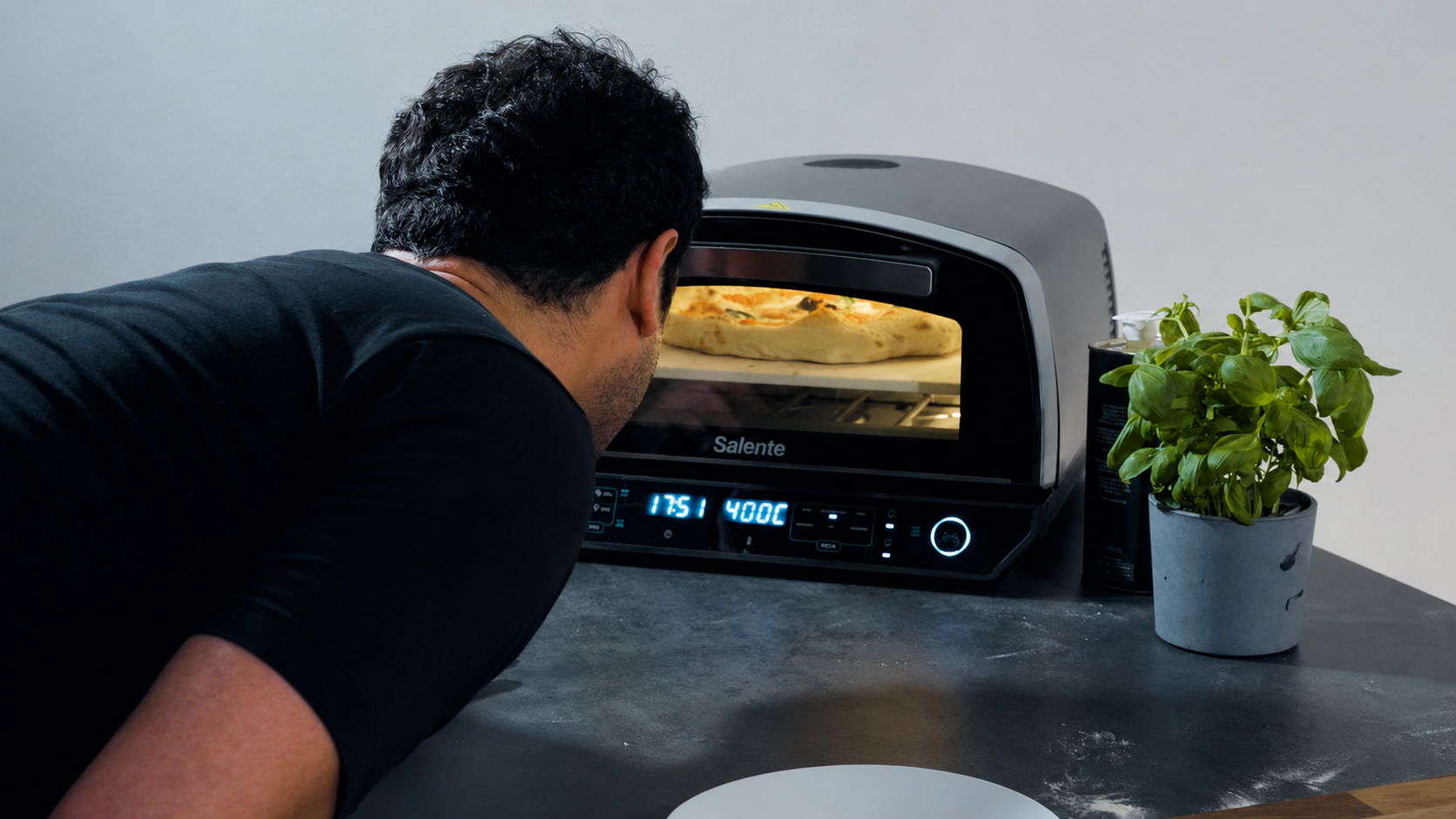
Good dough can be ruined in the final minute. For Neapolitan-style pizza, both the oven and the stone must be thoroughly preheated. The official AVPN rules for certified pizza specify an oven-floor temperature of approximately 380–430°C, a dome temperature of around 485°C and a baking time of 60–90 seconds. The exact time may differ in a domestic electric oven, so follow the selected programme and the appearance of the pizza rather than a time intended for a different type of oven.
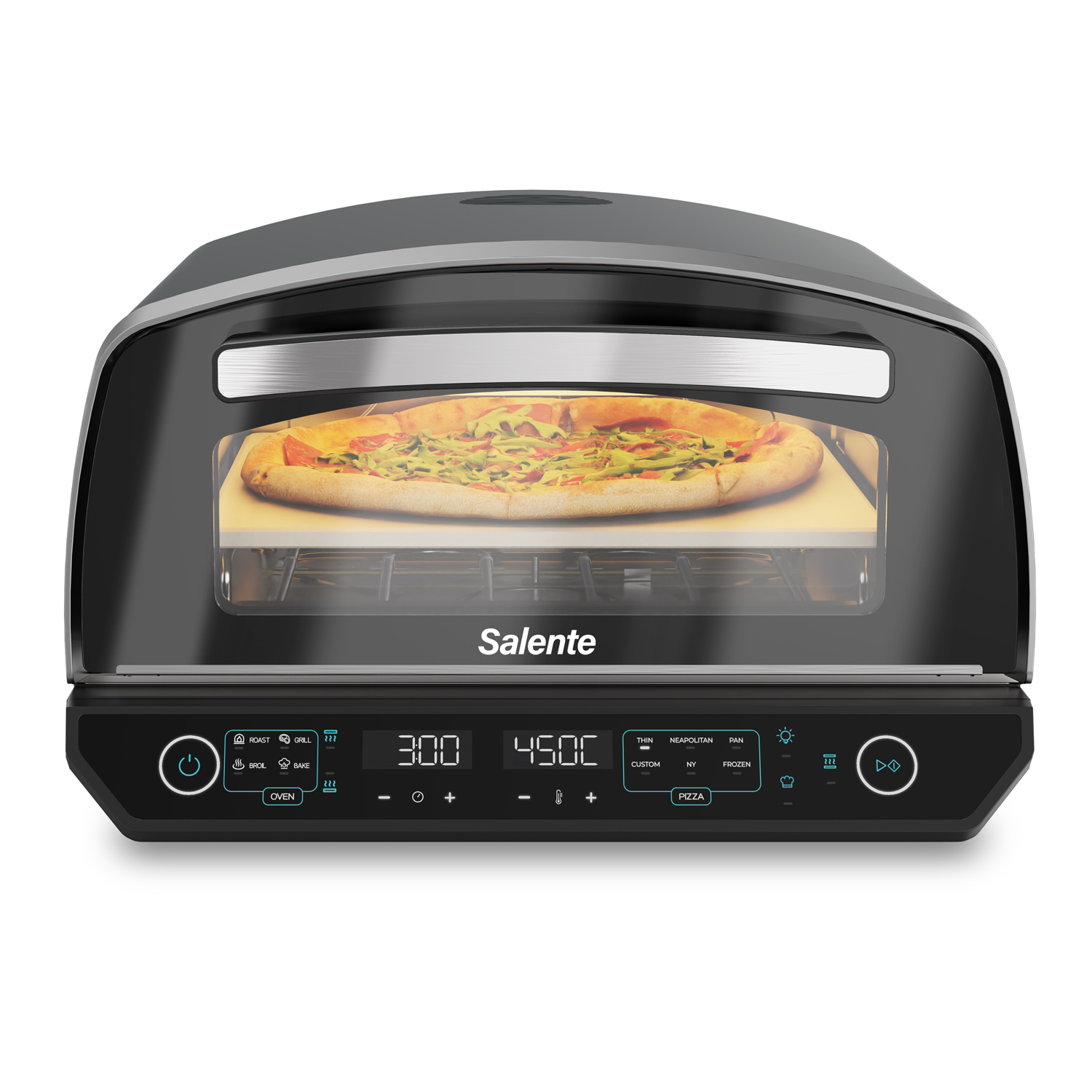
The Salente Vulcano electric pizza oven heats up to 450°C and features a Neapolitan pizza programme, top and bottom heating and a 33 × 33 cm pizza stone. For this recipe, the high temperature and hot stone are particularly important: the base begins baking immediately, giving the crust a chance to rise quickly.
Before baking:
- Thoroughly preheat both the oven and the stone.
- Stretch the dough ball with your fingers, working from the centre towards the edges. A rolling pin would force out the air that developed in the dough during proofing.
- Use tomatoes and cheese sparingly. Drain the mozzarella in advance.
- Assemble the pizza immediately before placing it in the oven so that it does not stick to the pizza peel.
- Watch the colour of both the base and the crust as the pizza bakes, turning it if necessary.
Common preparation mistakes
- Kneading the biga until smooth. Biga should remain coarse. The extended kneading comes later, when making the final dough.
- Using warm water. The dough warms up during kneading. Ice-cold water helps keep the process under control.
- Adding all the water at once. The dough may break down, making it difficult for the mixer to bring it back together. Gradual addition is more reliable.
- Failing to heat the stone thoroughly. Hot air alone is not enough. If the stone is cold, the top of the pizza will be done before the base.
- Overloading the dough with toppings. Watery sauce, wet mozzarella and a thick layer of toppings cool the centre and can make the pizza soggy.
What to choose if…
You want to bake Neapolitan-style pizza at home: the Salente Vulcano makes sense. It reaches up to 450°C, has a dedicated Neapolitan programme and comes with both a stone and a pizza peel, so you do not need to buy the essential accessories separately.
You bake several pizzas in succession: you will appreciate Pizza Expert Mode, which keeps the selected programme running for up to 30 minutes. The oven therefore remains ready for the next batch, which is convenient for a family pizza night or when entertaining guests.
You only make pizza a few times a year: a dedicated pizza oven may not be necessary. The Vulcano will be most appreciated by people who enjoy working with dough and regularly want to reach temperatures higher than a conventional oven can achieve. You can find more options in the Salente pizza ovens category.
Conclusion
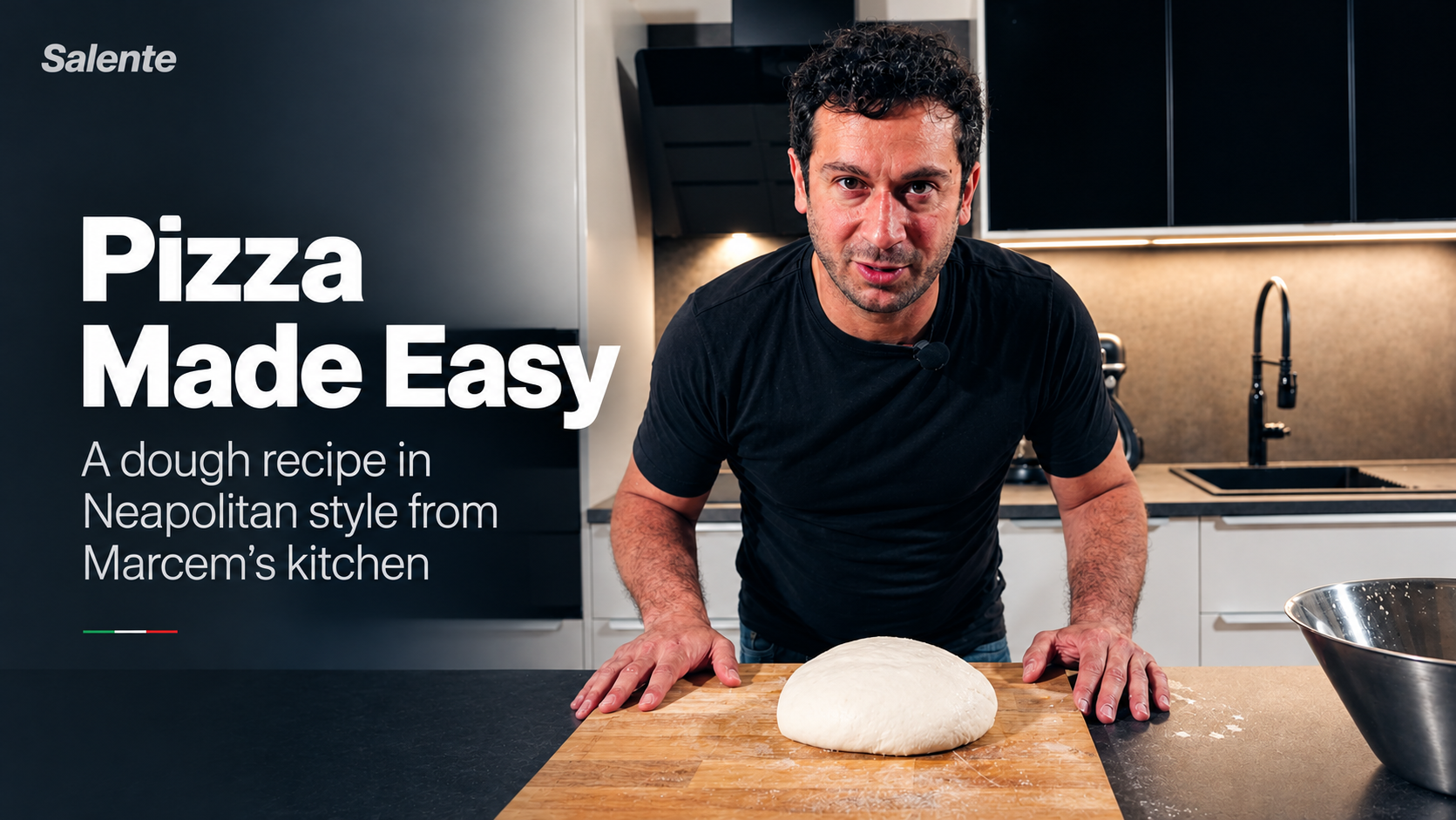
The most challenging part of working with biga is not the recipe itself, but the patience and precision it requires. On the first day, the mixture of half the flour, water and yeast looks unremarkable. Once it has matured and the remaining flour, ice-cold water and salt have been added, however, it becomes a dough that shows why starting the preparation in advance was worthwhile when exposed to high heat. You can also follow the entire process in the video with Chef Marco and find more inspiration among the Salente recipes.
FAQ
What is pizza biga?
Biga is a firm preferment made from flour, water and a small amount of yeast. It matures separately before the final dough is prepared and influences its aroma, flavour and structure.
How long does biga mature?
In this recipe, the biga matures for 24 hours. The exact process is also affected by the temperature and the flour used, so check its aroma and texture.
Why is ice-cold water added to the final dough?
Kneading warms the dough. Ice-cold water helps keep the temperature lower and prevents fermentation from accelerating too quickly. In this recipe, the final hydration is 50%.
Is pizza made with biga authentic Neapolitan pizza?
Biga is primarily used for modern Neapolitan-style pizza. The official AVPN rules for certified Vera Pizza Napoletana require a direct dough-making method, so it is more accurate to describe it as Neapolitan-style pizza.
Can biga dough be baked in a conventional oven?
Yes, but the result will be different. A pizza stone or steel and the oven’s maximum temperature will help. For a quickly baked, airy crust, a pizza oven that reaches approximately 400–450°C is a better choice.